


Why Is My House So Humid? (And Why It’s Usually Not Just “Texas Weather”)

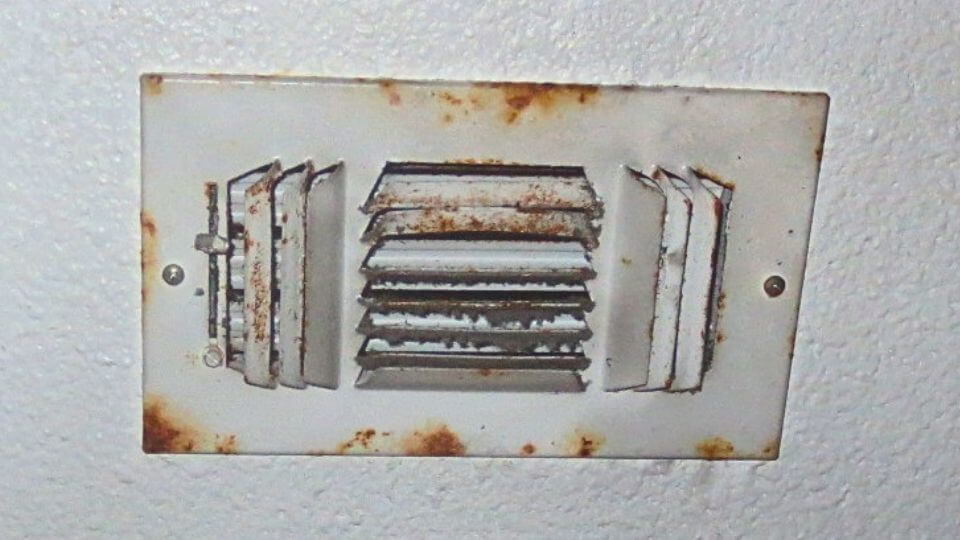
If your house feels humid even with the AC running, the problem is usually not just “Texas weather.” In Austin homes, high indoor humidity is commonly caused by oversized AC systems, airflow problems, duct leakage, attic infiltration, or improperly configured HVAC equipment.
Quick Answer (TL;DR)
In Austin, indoor humidity problems are usually caused by a combination of:
Oversized AC systems, poor airflow, duct leakage, air infiltration, attic communication, or improperly configured HVAC equipment. Most of these issues are connected through the house-as-a-system approach we use during our home performance evaluations.
And contrary to what many homeowners are told, high humidity inside your house is often fixable.
If your indoor humidity is consistently above 65%, especially during normal weather conditions, there is usually an underlying issue that should be investigated.
Why Houses in Austin Get So Humid
Austin homes deal with a unique mix of heat, moisture, and long cooling seasons.
During rainy periods—especially in April, May, and early summer—the outdoor air can carry a tremendous amount of moisture.
But outdoor humidity alone usually is not the real problem.
The homes I see with serious humidity issues almost always have something else going on:
oversized air conditioning systems,
leaky ductwork,
poor airflow,
attic air leaking into the house,
pressure imbalances,
or builder-related air sealing problems.
Usually it is not one single issue. It is a combination of several smaller problems working together.
Why Humidity Gets Worse During Austin Rainy Season
One important thing homeowners should understand:
If your house only feels humid during extremely rainy periods, you may not actually have a major problem.
During long rainy stretches in Austin, indoor humidity naturally rises somewhat because the outdoor air is carrying more moisture.
That said, there is a difference between:
“slightly humid,” and
“my house feels like a swamp.”
If your home stays damp, sticky, musty, or uncomfortable for extended periods—or if humidity levels remain very high indoors—something else is likely contributing to the
issue.
Signs Your House Has a Humidity Problem
Some of the biggest warning signs I see include:
musty smells,
sweating supply vents,
rust forming on register grilles,
uneven temperatures between rooms,
high utility bills,
biological growth,
and a house that simply never feels comfortable.
One of the biggest clues for me personally is a musty attic smell.
That often tells me the house is communicating with the attic somewhere through leakage or infiltration, which is something we commonly find during home performance testing.
Another major clue is when one or two rooms feel dramatically different than the rest of the house. Often those rooms feel both warmer and more humid.
Signs Your AC May Be Making Humidity Worse
This surprises a lot of homeowners.
Sometimes the air conditioner itself is contributing to the humidity problem.
One of the most common causes is oversized air conditioning systems.
A system that cools the house too quickly may satisfy the thermostat before it runs long enough to properly remove moisture from the air, leading to short cycling and uneven comfort issues throughout the home.
I also frequently see humidity problems caused by excessive airflow, zoning problems, improperly configured variable-speed systems, or the same kinds of uneven airflow problems that cause certain rooms to stay hotter than others.
A house can technically be “cooling properly” while still doing a terrible job controlling humidity.
Real Case Study: 80%+ Indoor Humidity During Rainy Season
We recently worked on a home where the indoor humidity was climbing above 80% during rainy weather.
The homeowner already knew something felt wrong. The house felt damp and uncomfortable, and several supply register grilles were actually sweating.
We found multiple problems contributing to the issue.
First, the attic access and pull-down attic stairs were extremely leaky, allowing attic air to communicate with the conditioned space through major air infiltration and attic leakage issues.
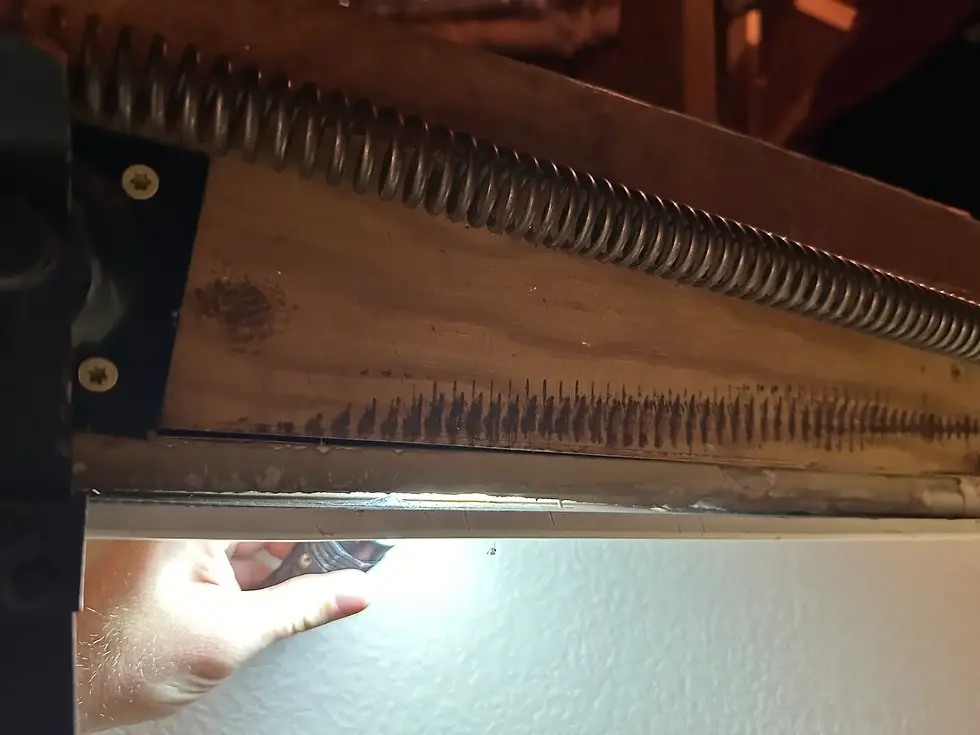
But before correcting the infiltration issues, we discovered something even more important:
The high-efficiency HVAC system was running almost entirely in second-stage cooling and never ramping down properly.
The previous contractor had incorrectly configured the zoning controller between the upstairs and downstairs zones. The system was moving too much airflow, causing it to short cycle and severely reducing humidity removal.
After correcting the zoning configuration and addressing the air infiltration issues, the home dropped to roughly 49% indoor humidity within just a few hours.
That is why proper diagnosis matters.
Why Most Humidity Problems Are Misdiagnosed
This is one of the biggest frustrations I see in the industry.
Most HVAC companies are trained to make sure the air conditioner is cooling. If the supply air temperature looks acceptable, many will simply tell the homeowner:
“Everything is working normally.”
But humidity, airflow, infiltration, duct leakage, and pressure balancing are often overlooked completely.
Most technicians are not heavily trained in:
air infiltration,
duct sealing,
building pressure,
house-as-a-system approach,
or whole-house comfort diagnostics.
So the homeowner ends up believing: “This is just how the house is.”
In many cases, it is not.
Why I Usually Don’t Recommend Whole-Home Dehumidifiers First
Whole-home dehumidifiers absolutely have their place in certain homes.
But in many cases, they are being used to treat a symptom instead of fixing the underlying cause.
If the real issue is duct leakage, attic infiltration, improper airflow, zoning problems, or oversized equipment…
Why spend thousands of dollars on a band-aid before investigating the root cause?
The goal should be to understand why the house is humid in the first place.
What Homeowners Can Check Themselves
One simple thing I often recommend:
Try lowering the thermostat by about 2 degrees temporarily and monitor whether the humidity levels improve substantially.
If the humidity barely changes, that can be a sign the issue goes beyond normal cooling operation.
I also encourage homeowners to pay attention to patterns:
Which rooms feel different?
Do you notice musty smells?
Does it happen more during certain times of day?
Is the problem worse during rain?
Are some vents sweating?
Those observations can help tremendously during diagnosis.
What Humidity Level Is Normal in Austin?
In most Austin homes, indoor humidity between roughly 45–55% tends to feel healthiest and most comfortable.
Once humidity starts consistently climbing above about 65%, there is often an underlying issue worth investigating.
Especially if:
the house feels sticky,
comfort is poor,
vents are sweating,
or there are signs of long-term moisture exposure.
Frequently Asked Questions About Indoor Humidity
What humidity level is too high inside a house?
In most Austin homes, indoor humidity between 45–55% tends to feel comfortable. Once humidity consistently climbs above about 65%, there is often an underlying issue such as airflow problems, duct leakage, air infiltration, or oversized HVAC equipment.
Why does my house feel humid even with the AC running?
Your air conditioner may be cooling the house without properly removing moisture from the air. Oversized systems, short cycling, airflow problems, zoning issues, and air infiltration are some of the most common causes we see in Austin homes.
Why does my house feel more humid when it rains?
During rainy periods in Austin, the outdoor air naturally carries more moisture. Slightly elevated indoor humidity can be normal during these periods. However, if your home feels damp, sticky, or musty for extended periods, there may be an underlying humidity problem that should be investigated.
Can an oversized AC system cause humidity problems?
Yes. Oversized air conditioners often cool the house too quickly and shut off before removing enough moisture from the air. This is one of the most common causes of high indoor humidity we see in Austin homes.
Why are my AC vents sweating or rusting?
Sweating or rust forming on AC supply vents is often a sign of long-term high indoor humidity. It can also indicate airflow problems, duct leakage, or excessive attic air infiltration.
Do I need a whole-home dehumidifier?
Not always. In many homes, high humidity is caused by underlying issues such as air infiltration, duct leakage, airflow problems, or improperly configured HVAC systems. Identifying and correcting the root cause is often more effective than simply adding a dehumidifier.
Final Thoughts
If your house only feels a little more humid during extremely rainy periods in Austin, that may be completely normal.
But if your house consistently feels damp, sticky, musty, or uncomfortable, there is a good chance the issue can actually be corrected.
Humidity problems are often treated like they are just part of living in Texas.
In many homes, they are not.
The key is finding the root cause instead of simply masking the symptoms. That is why we approach humidity, airflow, insulation, duct leakage, and HVAC performance together through a full whole-home comfort evaluation.


