


If you’ve been told:
-
“That room is just always hot.”
-
“Your AC is working fine.”
-
“You probably just need a bigger system.”
-
“It’s an old house, that’s normal.”
…there’s a good chance nobody has actually diagnosed the real problem.
At Breeze Air Conditioning, we take a house-as-a-system approach to comfort and efficiency.
That means we look at how your:
-
humidity
-
air leakage
-
attic conditions
-
solar gain
…all work together to affect comfort inside your home.
Because comfort does not come from the air conditioner alone.
A lot of the time, the AC is only reacting to problems elsewhere in the house.
In fact, during the hottest and coldest times of the year, many of the “my AC can’t keep up” calls we receive in Austin are not actually equipment problems at all.
They’re home performance problems.
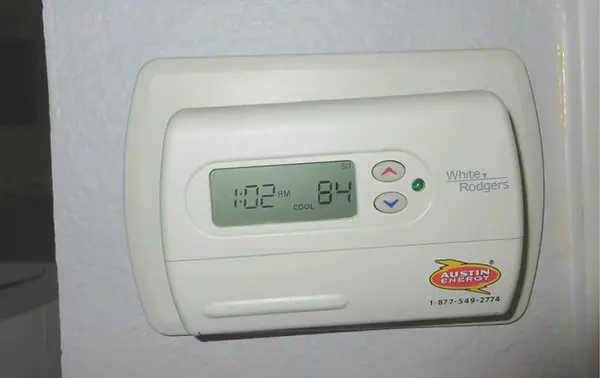
Quick Answer: What Is Home Performance?
Home performance is the process of diagnosing how a house functions as a complete system.
Instead of only looking at the air conditioner, we evaluate:
-
airflow
-
duct design
-
duct leakage
-
insulation levels
-
attic conditions
-
air infiltration
-
humidity
-
static pressure
-
room-to-room comfort
-
energy efficiency
The goal is to identify the root causes of:
-
hot rooms
-
high utility bills
-
humidity problems
-
uneven temperatures
-
uncomfortable airflow
-
excessive AC runtime
Sometimes the solution is simple.
Sometimes there are multiple smaller issues compounding together.
But the key is diagnosing the house correctly before recommending expensive equipment replacement.

Why Your AC May Not Be the Real Problem
One of the biggest misconceptions homeowners have is believing comfort comes entirely from the air conditioner.
In reality, the AC only produces heating or cooling.
Comfort comes from how the house distributes and holds that conditioned air.
That means:
-
airflow matters
-
insulation matters
-
humidity matters
-
air leakage matters
-
solar gain matters
When one or more of those systems fail, the AC often gets blamed for problems it didn’t create.
That’s why we frequently see homes where:
-
the equipment is functioning properly
-
but the house still feels uncomfortable
Some of the most common complaints we hear are:
-
“My AC runs all day.”
-
“The humidity feels terrible.”
-
“The house never feels evenly comfortable.”
A lot of the time, the real issue is hidden in the attic.

What I Look At First When Diagnosing a House
My process usually starts before I even arrive.
During the initial phone call, I start asking questions like:
-
When do you notice the issue?
-
Which rooms are uncomfortable?
-
Has another company looked at it already?
-
Is the problem worse during extreme weather?
-
Does the system run constantly?
-
Does the house feel humid?
A lot of the time, I already have a pretty good idea of what I’m going to find before I get there.
The first place I usually go is the attic.
For me, the attic paints a picture of the comfort and efficiency of the home.
I look at:
-
insulation levels
-
duct layout
-
airflow restrictions
-
disconnected ducts
-
signs of duct leakage
-
signs ducts have been sealed previously
-
attic heat conditions
-
air infiltration points
I look at homes forensically.
Most comfort and efficiency problems are not caused by one single issue. Usually, there are several smaller problems compounding together.
For example:
-
low insulation
-
leaky ductwork
-
poor airflow
-
oversized equipment
-
solar gain
-
air leakage
…all working together to make the house uncomfortable and inefficient.
When things are not obvious, that’s when we start testing.
Depending on the situation, we may perform:
-
airflow testing
-
static pressure testing
-
blower door testing
-
duct leakage testing using a duct blaster
Because we believe in testing and verifying — not guessing.
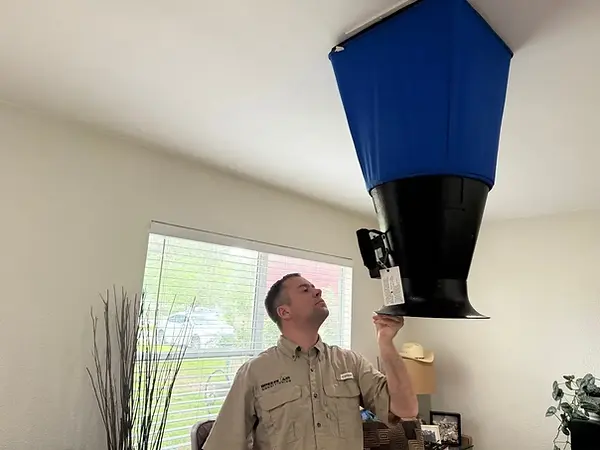
Real Example: The House That Didn’t Need a New AC
One of the most memorable home performance projects we worked on started with a call we hear all the time in Austin:
“My AC runs all day and can’t keep up.”
The homeowner told me:
-
utility bills were extremely high
-
humidity inside the house felt terrible
-
the bedroom and bathroom were always the hottest rooms
-
the system wouldn’t catch up until late at night
Because the system was about 10 years old, the homeowner assumed it needed to be replaced.
Honestly, a lot of companies probably would have recommended replacement based on the age alone.
But when I arrived, the equipment itself was actually in pretty decent shape.
That immediately told me something else was going on.
One of the first things I noticed was light coming through the exterior door weatherstripping.
That usually tells me the house is leaking air somewhere.
But the real story started when I got into the attic.
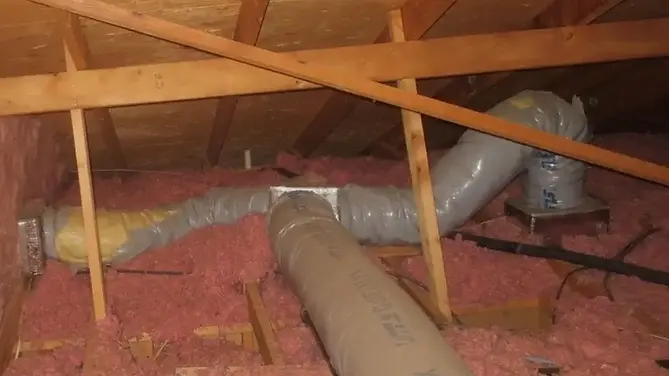
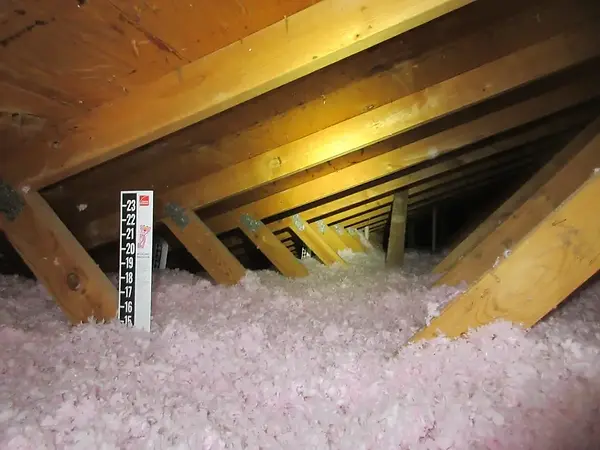
The insulation levels were extremely low — around R-8 in some areas — and the duct system design was poor and undersized for the house.
Then I found the biggest issue.
The duct serving the bedroom had completely disconnected, and the bathroom duct had apparently never even been connected properly since the house was built over 40 years ago.
That explained everything.
The bedroom felt warmer and more humid than the rest of the house because it was essentially communicating with the attic.
You could even smell that hot, humid attic odor in the room.
The air conditioner was trying to cool the home while conditioned air was dumping into the attic instead of the living space.
That’s why the system ran constantly.
That’s why the humidity felt terrible.
That’s why the utility bills were so high.
And that’s why replacing the AC alone would not have fixed the problem.
Instead of replacing the equipment, we:
-
redesigned the duct system
-
removed and replaced the ductwork
-
sealed major leakage points
-
improved airflow balancing
-
upgraded the attic insulation from roughly R-8 to R-38
-
replaced worn door weatherstripping and sweeps to reduce air infiltration
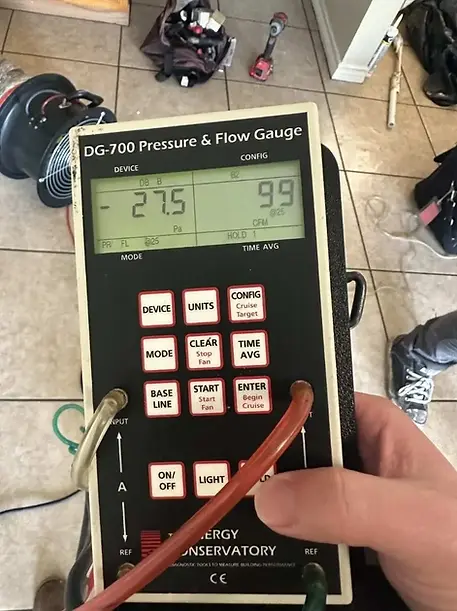
After the duct replacement, we performed duct leakage testing and reduced leakage down to only 4%.
That’s a huge improvement.
The homeowner immediately noticed:
-
more even airflow
-
lower humidity
-
better comfort throughout the house
-
quieter system operation
Then about a month later, he called us back after receiving his utility bill.
It had dropped by roughly 40%.
That’s the power of diagnosing the house correctly instead of guessing.
Why Bigger AC Systems Often Make Homes Less Comfortable
One of the biggest mistakes we still see in the HVAC industry is oversized air conditioning systems.
A lot of homeowners think:
“Bigger AC means more cooling.”
But that’s usually not how comfort works.
Oversized systems often create:
-
humidity problems
-
uneven temperatures
-
short cycling
-
excessive wear and tear
-
poor comfort
-
biological growth inside duct systems
A properly sized air conditioner should run long enough to remove humidity from the air.
That’s extremely important in Austin.
When systems are oversized, they cool the house too quickly and shut off before completing a full cooling cycle.
The result is a house that may technically reach temperature — but still feels humid and clammy.
That’s why oversized systems are often tied to complaints like:
-
“The humidity feels terrible.”
-
“The house feels sticky.”
-
“The temperature looks right, but it still feels uncomfortable.”
Unfortunately, many systems are still sized by guesswork instead of professional Manual J heat load calculations.
A lot of contractors are afraid a properly sized system won’t keep up during extreme Texas heat.
So they oversize the equipment “just to be safe.”
But bigger is not always better.
Think about it like driving a car in stop-and-go city traffic.
Oversized systems constantly start and stop, creating more wear and tear on the equipment.
Properly sized systems typically run longer, steadier cycles that:
-
improve humidity removal
-
improve comfort
-
reduce stress on the equipment
-
maintain more even temperatures
That’s why home performance starts with understanding the house first — not just replacing equipment.
Comfort Does Not Come From the Air Conditioner Alone
One of the biggest misconceptions homeowners have is thinking comfort comes entirely from the air conditioner.
In reality, the air conditioner only produces heating or cooling.
Comfort comes from how the house distributes and holds that conditioned air.
That means true comfort depends on:
-
humidity control
-
air leakage
-
solar gain
-
building tightness
When those systems work together properly, homes feel:
-
more evenly comfortable
-
less humid
-
easier to cool
-
more energy efficient
When they don’t, homeowners end up with:
-
hot rooms
-
cold rooms
-
high utility bills
-
poor airflow
-
humidity problems
-
uncomfortable temperatures
-
systems that run constantly
A lot of homeowners believe:
“If I just get a bigger AC, the house will feel better.”
But many times the real issue has nothing to do with how much cooling the equipment produces.
The issue is getting that conditioned air where it needs to go — and keeping the house from immediately losing it.
That’s why ductwork is so important.
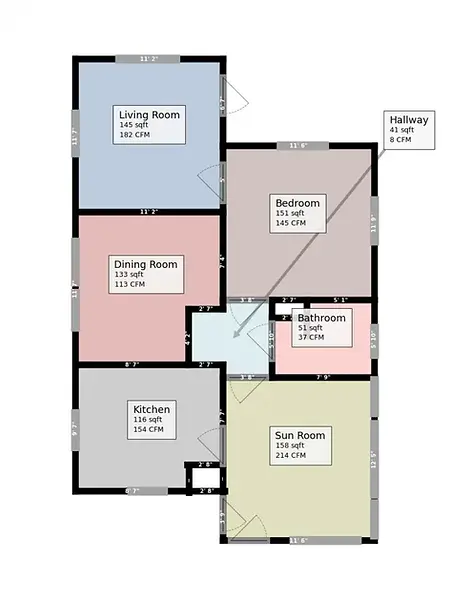
A properly designed and balanced duct system helps deliver the right amount of airflow to each room based on:
-
room size
-
solar exposure
-
window load
-
ceiling height
-
layout
-
occupancy
Without proper airflow, even a brand-new HVAC system can struggle to keep rooms comfortable.

Why Some Rooms Are Always Hot in Austin Homes
When homeowners tell me:
“One room is always hotter than the rest of the house,”
…I immediately start thinking about airflow and heat gain.
Most of the time, hot rooms are not caused by the thermostat.
They are usually caused by one or more of the following:
-
poor duct design
-
undersized ducts
-
disconnected ducts
-
low airflow
-
inadequate attic insulation
-
solar gain through windows
-
air leakage
-
poor air balancing
Rooms with large west-facing windows often heat up much faster than the rest of the house during Austin summers.
Older windows can act almost like magnifying glasses, allowing intense solar heat into the home.
That’s why solar screens can sometimes make a major difference in homes with heavy sun exposure.
But airflow is still critical.
Even if the air conditioner is producing cold air properly, the room will never feel comfortable if the duct system cannot deliver enough conditioned air to offset the heat load.
That’s why we often find:
-
undersized ducts
-
disconnected ducts
-
crushed ducts
-
airflow restrictions
-
poor balancing
…inside attics.
Many homeowners have lived with these problems for years because they were told:
-
“That’s just the hottest room.”
-
“The system is working normally.”
-
“It’s an old house.”
But in many cases, these issues can absolutely be improved when the root causes are diagnosed correctly.

Why Insulation Alone Usually Does Not Fix Comfort Problems
Insulation is extremely important.
But one of the biggest mistakes we see is treating insulation like a cure-all for comfort problems.
A lot of insulation-only contractors promise homeowners that adding insulation will solve:
-
hot rooms
-
airflow problems
-
humidity
-
uneven temperatures
Sometimes insulation helps dramatically.
But insulation alone cannot fix:
-
disconnected ducts
-
poor airflow
-
undersized duct systems
-
poor air balancing
That’s because insulation and airflow work together.
If conditioned air is not reaching the room properly, simply adding more insulation may not solve the actual comfort issue.
We often see homes where:
-
the insulation is poor
AND
-
the ductwork is leaking
AND
-
the airflow is imbalanced
These are compounded issues.
That’s why a house-as-a-system approach matters.
Instead of focusing on only one component, we look at how:
-
airflow
-
insulation
-
ductwork
-
humidity
-
pressure
-
infiltration
…all interact together.
That’s how real comfort problems get solved.
When We Start Testing Instead of Guessing
Some home performance problems are obvious the moment you enter the attic.
Other times, the issues are hidden.
That’s when testing becomes extremely important.
At Breeze Air Conditioning, we use testing to verify what the house is actually doing instead of relying on guesswork.
Depending on the problem, we may perform:
-
airflow testing
-
duct leakage testing using a duct blaster
These tests help us identify issues that are impossible to see with the naked eye.
For example:
-
excessive duct leakage
-
pressure imbalances
-
hidden infiltration
-
return air problems
-
undersized duct systems
A lot of contractors skip this step completely.
Instead, they simply recommend:
-
increasing system size
But if the root problem is hidden airflow loss or duct leakage, those recommendations may not actually solve the comfort issue.
Testing gives us measurable information.
That allows us to:
-
diagnose the house correctly
-
prioritize improvements
-
verify repairs
-
measure performance gains
We believe homeowners deserve real answers — not guesses.
The Most Common Problems We Find in Austin Homes
Every house is different, but there are certain problems we see over and over again in Austin homes.
Some of the most common include:
Poor Duct Design
Many homes have undersized or poorly designed duct systems that struggle to distribute airflow evenly throughout the house.
This often leads to:
-
hot rooms
-
weak airflow
-
noisy systems
-
high static pressure
-
excessive equipment runtime
Disconnected or Leaking Ducts
We regularly find disconnected ducts in attics — sometimes in homes that have had comfort problems for decades.
Even small amounts of duct leakage can:
-
waste conditioned air
-
increase humidity
-
reduce airflow
-
increase utility bills
-
make rooms uncomfortable
Low Attic Insulation
Many older Austin homes have insulation levels far below modern recommendations.
Low insulation allows attic heat to transfer into the living space much faster, especially during extreme summer temperatures.
Oversized HVAC Equipment
Bigger is not always better.
Oversized systems frequently create:
-
humidity issues
-
short cycling
-
uneven temperatures
-
comfort complaints
Especially in homes where airflow and ductwork problems were never corrected first.
Air Leakage & Infiltration
Small gaps around:
-
doors
-
attic penetrations
-
framing
-
recessed lights
-
plumbing penetrations
…can allow hot, humid outdoor air into the home.
Those small leaks add up quickly in Austin’s climate.
Solar Gain
Large west-facing windows and older glass can dramatically increase heat load inside certain rooms.
That’s why some rooms heat up much faster than others during the afternoon.
Can Home Performance Improvements Really Lower Energy Bills?
Absolutely — when the improvements address the actual root causes.
One of the biggest misconceptions homeowners have is believing high utility bills automatically mean:
-
the AC is old
-
the system is inefficient
-
the equipment needs replacement
But many times, the equipment is simply working overtime trying to compensate for problems elsewhere in the house.
For example:
-
air infiltration
-
disconnected ducts
…can all dramatically increase system runtime.
When those issues are corrected properly, homeowners often notice:
-
shorter runtimes
-
more even temperatures
-
lower humidity
-
better airflow
-
reduced energy consumption
In some cases, the return on investment can be surprisingly high.
Especially when the home has major hidden performance problems that have existed for years.
What Homeowners Usually Say After the Problems Are Fixed
One of the most rewarding parts of home performance work is seeing homeowners finally experience comfort in rooms that have been uncomfortable for years.
A lot of people start believing:
-
“This room is just always hot.”
-
“The AC just can’t keep up.”
-
“It’s an old house.”
-
“Nothing is going to fix it.”
Many have already spent thousands of dollars trying different solutions that never addressed the actual root cause.
Sometimes they replaced windows.
Sometimes they added insulation.
Sometimes they replaced HVAC equipment.
But the comfort problems remained because nobody diagnosed the house as a complete system.
That’s why one of the most common things we hear after repairs and improvements are completed is:
“Wow… you fixed my house.”
Not just the air conditioner.
The house.
We recently worked with a homeowner who had been dealing with severe indoor humidity problems for years.
After diagnosing and correcting the underlying home performance issues, indoor humidity dropped from 84% down to 49% within hours.
She became emotional because she had started believing the issue could never actually be solved.
That’s more common than people think.
A lot of homeowners are living with:
-
humidity
-
high utility bills
-
uncomfortable airflow
-
constant system runtime
…because they’ve been told:
-
“That’s normal.”
-
“That’s just how the house is.”
-
“The system is working fine.”
But many of these issues can absolutely be improved when the root causes are identified correctly.
Sometimes the solution is more straightforward than homeowners expect.
The key is understanding how the house actually performs as a system.
Why Breeze Air Conditioning Takes a Different Approach
A lot of HVAC companies focus almost entirely on equipment.
A lot of insulation companies focus only on insulation.
But real comfort and efficiency require looking at the entire house as a connected system.
That means understanding how:
-
airflow
-
ductwork
-
insulation
-
humidity
-
pressure
-
solar gain
-
infiltration
-
equipment sizing
…all work together.
At Breeze Air Conditioning, we believe homeowners deserve more than guesswork.
We believe comfort problems should be diagnosed properly before recommending expensive replacements.
That’s why our approach focuses on:
-
identifying root causes
-
testing instead of guessing
-
improving airflow
-
correcting hidden performance problems
-
creating balanced comfort throughout the home
Because in many cases, the issue is not simply the AC system itself.
It’s how the house performs as a whole.
And when the house performs better:
-
comfort improves
-
humidity improves
-
airflow improves
-
efficiency improves
-
utility bills often improve too
Most importantly, homeowners finally feel like their home is working the way it should.
Frequently Asked Questions About Home Performance
What is home performance?
Home performance is the process of evaluating how a home functions as a complete system.
Instead of only focusing on the air conditioner, home performance looks at how:
-
airflow
-
ductwork
-
insulation
-
humidity
-
air leakage
-
attic conditions
-
pressure
-
system sizing
…all work together to affect comfort and efficiency inside the home.
Can home performance improvements lower utility bills?
Yes — especially when hidden problems are corrected.
Issues like:
-
leaking ducts
-
disconnected ducts
-
low insulation
-
air infiltration
-
airflow restrictions
…can dramatically increase HVAC runtime and energy usage.
When those issues are fixed properly, many homeowners notice lower utility bills and improved comfort.
Why is one room in my house always hotter?
Hot rooms are usually caused by airflow and heat-load problems.
Common causes include:
-
undersized ductwork
-
disconnected ducts
-
poor airflow balancing
-
solar gain through windows
-
air leakage
In many cases, the thermostat and air conditioner are not actually the main problem.
Will adding insulation fix my hot rooms?
Sometimes insulation helps significantly, but insulation alone does not fix airflow or ductwork problems.
If conditioned air is not reaching the room correctly, adding insulation may not fully solve the issue.
That’s why we evaluate the entire home as a system instead of focusing on only one component.
What causes high indoor humidity in Austin homes?
High indoor humidity can be caused by:
-
air infiltration
-
poor airflow
-
inadequate runtime
-
building envelope issues
Humidity problems are extremely common in Austin homes, especially when systems are oversized or duct systems are leaking into attics.
What is a Manual J calculation?
A Manual J calculation is a professional heat load calculation used to properly size HVAC equipment.
It takes into account:
-
square footage
-
insulation levels
-
windows
-
solar exposure
-
air leakage
-
ceiling height
-
occupancy
-
orientation
Proper sizing is critical for comfort, airflow, humidity control, and energy efficiency.
Can ductwork really affect comfort that much?
Absolutely.
Ductwork is one of the biggest factors affecting:
-
airflow
-
room temperatures
-
humidity
-
system performance
-
efficiency
Poor duct design or leaking ducts can make even a newer HVAC system struggle to keep the home comfortable.
How do you diagnose home comfort problems?
We start by asking questions about:
-
when the issue happens
-
which rooms are affected
-
humidity
-
utility bills
-
system runtime
Then we inspect the attic, ductwork, airflow, insulation, and overall performance of the home.
When necessary, we perform:
-
airflow testing
-
static pressure testing
-
blower door testing
-
duct leakage testing
The goal is to identify the root causes instead of guessing.
Think Your House Might Have a Hidden Comfort Problem?
If your home has:
-
hot rooms
-
humidity issues
-
uneven airflow
-
high utility bills
-
uncomfortable temperatures
-
an AC system that runs constantly
…the problem may not be the equipment alone.
Many comfort and efficiency problems start in the attic, inside the ductwork, or within the way the house performs as a complete system.
At Breeze Air Conditioning, we take a diagnostic approach to comfort.
Instead of guessing, we evaluate:
-
airflow
-
ductwork
-
insulation
-
humidity
-
infiltration
-
system sizing
-
overall home performance
Our goal is to identify the real root causes so homeowners can make informed decisions about their home.
Because a lot of the time, the house is more fixable than people think.