


How Do I Know If My Home Needs Weatherization? (Austin Homeowner’s Guide)

Updated: May 24

Most homeowners think they need a new AC system when the real problem is that the house itself is leaking heat everywhere. If your home has uneven temperatures, high electric bills, excessive humidity, dusty air, or an AC that never seems to shut off, there’s a good chance your home needs weatherization. In Austin, I routinely find homes with attic bypasses, duct leakage, poor airflow, and insulation problems that force HVAC systems to work twice as hard as they should. Weatherization fixes the root cause — not just the symptom.
Quick Answer: High Bills and Hot Rooms Usually Aren’t an AC Problem
If your home has high energy bills, hot or cold rooms, weak airflow, excessive dust, or your AC can’t keep up in the summer, there’s a very good chance your home needs weatherization—not a new AC.
If your home has high energy bills, hot or cold rooms, weak airflow, excessive dust, or your AC can’t keep up in the summer, there’s a very good chance your home needs weatherization—not a new AC.
In many cases, these issues are tied to problems we uncover during a duct system evaluation or attic insulation inspection.
How I Can Usually Tell Before I Even Walk Inside
Most people think this takes testing and tools.
It doesn’t.
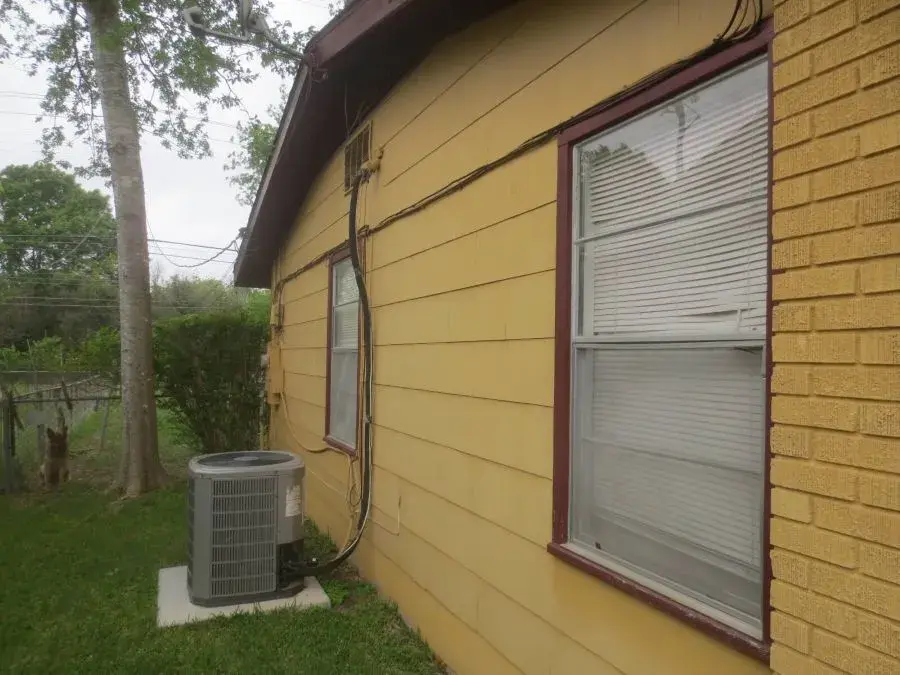
I can usually spot problems before I even step through the door in Austin.
Old windows with heavy sun exposure → likely heat gain issues (solar screens needed)
Worn or missing door weatherstripping → air leakage
Old stamped 3-way ceiling grilles → restrictive airflow (huge overlooked issue)
Then I walk inside and look up.
If the vent grilles are dusty, that’s usually not a cleaning issue—it’s duct leakage pulling in attic air.
Before I even get into the attic, I already have a pretty good idea of what I’m going to find.
These are the kinds of issues we identify during a full home performance inspection, where we look at airflow, insulation, and ductwork together—not in isolation.
Real Example: “I Thought I Needed a New AC”
A friend of mine called me out to look at his system.
High Austin Energy bills
Office always hotter than the rest of the house
AC running constantly and couldn’t keep up
He assumed I was going to check refrigerant.
I didn’t even touch the equipment.
I went straight to the attic.
Here’s what I found:

Old single-pane aluminum windows (major heat gain)
Very little attic insulation
Horrible duct design
Major airflow problems
His AC was 15 years old—but it wasn’t the main problem.
What we did:
Installed solar screens
Replaced ductwork
Added attic insulation
Upgraded to curved blade grilles (~15% better airflow)
Sealed doors + furnace closet
What changed:
House became comfortable
Bills dropped significantly
Less dust
AC could finally keep up
That’s weatherization.
This is exactly why we take a whole-home approach with services like duct repair & replacement and attic insulation upgrades—because fixing one without the other doesn’t solve the problem.
The Most Common Problems I See (Over and Over Again)
Almost every home over 10–15 years old has some version of this:
Low attic insulation
Leaky or damaged ductwork
Poor duct design affecting airflow
Return air leaks pulling in attic air (huge for air quality)

What surprises most homeowners?
They think:
“My bills are just high because it’s Austin.”
No—they’re high because the house isn’t performing correctly.
And uncomfortable rooms are never normal.
If this sounds familiar, it’s worth taking a closer look at your duct system and attic insulation levels, because that’s where most of these issues originate.
Signs Your Home Needs Weatherization
Homeowners don’t call and say “I need weatherization.”
They say things like:
“My AC can’t keep up in the summer”
“One room is always hotter”
“My energy bills are crazy”
“The house feels dusty all the time”
“Airflow is weak in certain rooms”
“Humidity feels high inside”

Those are all symptoms of the same core issue:
The house is leaking air, losing energy, and the system is fighting it.
These symptoms usually show up long before homeowners realize the root cause—which is why a proper airflow and duct evaluation is so important.
What Most Contractors Get Wrong
This is where the industry misses the mark.
HVAC companies focus on the equipment
Insulation companies focus on insulation
Nobody looks at the house as a system
That’s the problem.
I see it all the time:
Open return air cavities pulling attic air
Disconnected ducts
Open chases into the attic
Musty air from infiltration
Dust that clearly came from outside—not inside
Most techs aren’t trained to look for this.
They’re trained to make the air cold.
That’s not the same thing as fixing the house.
This is the gap we close by combining ductwork solutions, insulation upgrades, and airflow improvements into one plan.
How I Evaluate a Home (My Actual Process)
This isn’t theory—this is what I actually do on a call:
Exterior:
Window exposure → solar gain
Door weatherstripping
Inside:
Check vent grilles (dust = duct leakage)
Inspect furnace closet sealing
Look at flue + combustion air
Verify smoke & CO detectors
Attic (where the real problems are):
Duct condition + leakage
Duct design
Insulation levels
Health & safety always comes first.
But the biggest issues are almost always: insulation + ductwork
That’s where I spend most of my time.
This is the same process we follow on every home performance evaluation in Austin, so homeowners know exactly what’s causing the problem before spending money.
What Happens After Weatherization (What Customers Actually Notice)
Immediately:
Better airflow
House feels more even
Exterior looks better (solar screens)
Lighting upgrades (LEDs = instant savings)
Over time:
Lower energy bills
Cleaner air (less dust, slower filter buildup)
Lower humidity
Quieter home (unexpected benefit)
The “wow moment”:
Next season.
Winter → warm and even
Summer → AC finally keeps up
Rooms feel balanced
That’s when people realize how bad it was before.
Common Misconceptions (That Cost People Money)
“I need a new AC” → usually not the root issue
“High bills are normal in Austin” → they’re not
“Insulation fixes everything” → it doesn’t fix airflow
“Duct sealing isn’t worth it” → it’s one of the biggest impacts
Most people are trying to fix symptoms.
That’s why nothing changes.
Is Weatherization Worth It? (My Honest Answer)
100% yes.
Here’s how I explain it:
I can install the best, most expensive AC system available…
And your house can still be uncomfortable
And your bills can still be high
Because you didn’t fix the real problem.
Replace the AC when it’s time.
But don’t expect it to fix a broken house.
Weatherization:
Has strong ROI
Pays for itself over time
Prevents thousands in wasted energy
And you can’t put a price on comfort.
In many cases, addressing issues like duct leakage and low attic insulation will have a bigger impact than replacing the system itself.
Austin Energy Weatherization Assistance Program (Free Options Available)

There’s something most homeowners don’t realize:
Austin Energy offers a Weatherization Assistance Program (WAP) that may cover upgrades at no cost for eligible homeowners.
You can check current eligibility and program details directly on their Weatherization Assistance Program page.
If you qualify, this is one of the best programs available in Austin—I’ve seen it make a huge difference for homeowners.
Who qualifies?
You must be enrolled in their Customer Assistance Program (CAP), which typically includes households participating in:
Medicaid
SNAP
CHIP
SSI
CEAP
MAP
VASH
Lifeline
(Eligibility can change—always check current requirements.)
What’s included?
Attic insulation
Duct sealing or replacement
Door weatherstripping
Solar screens
LED lighting
Biggest misconception:
People think it’s a scam.
It’s not.
I’ve personally seen this program help thousands of homeowners, and in many cases, the improvements are dramatic.
If you don’t qualify, you can still improve comfort and efficiency through targeted upgrades like duct sealing and attic insulation improvements.
The Biggest Mistake to Avoid
Don’t throw money at symptoms.
If you:
Add insulation without fixing ducts
Replace ducts after insulating
Replace the AC without fixing airflow
You end up paying twice.
You need: A whole-home approach in the right order
If you’re not ready to do everything at once, that’s fine.
But you need a professional who can give you: a prioritized plan that actually works
Bottom Line
If your home is uncomfortable, inefficient, or your AC can’t keep up…
There’s a very good chance the problem isn’t your AC.
It’s the house.
And the good news is:
It can be fixed.
FAQ Section
How do I know if my home needs weatherization?
Your home may need weatherization if you have high energy bills, hot or cold rooms, weak airflow, excessive dust, high indoor humidity, or an air conditioner that cannot keep up during Austin summers. These symptoms are often caused by low attic insulation, duct leakage, poor duct design, air infiltration, or old windows with heavy sun exposure.
Can weatherization help my AC keep up in the summer?
Yes. Weatherization can reduce the load on your air conditioning system by improving insulation, reducing air leakage, sealing or replacing leaky ductwork, improving airflow, and reducing heat gain through windows. In many homes, the AC is struggling because the house has performance problems, not because the equipment is the only issue.
Is weatherization better than replacing my AC?
It depends on the condition of the AC system, but weatherization often needs to be addressed before or alongside AC replacement. A new AC will not fix low insulation, leaky ducts, poor airflow, air infiltration, or hot rooms caused by building performance problems.
What weatherization problems are common in Austin homes?
Common weatherization problems in Austin homes include low attic insulation, leaky ductwork, poor duct design, old single-pane windows, worn door weatherstripping, dusty or restrictive vent grilles, return air leakage, and open attic chases that allow hot, dusty, or humid air into the home.
Does Austin Energy offer free weatherization help?
Austin Energy offers a Weatherization Assistance Program that may provide no-cost upgrades for eligible customers. Eligibility requirements can change, but customers typically must be enrolled in the Customer Assistance Program. The program may include attic insulation, duct sealing or replacement, door weatherstripping, solar screens, and LED lighting
Next Step
If you’re dealing with these issues, the first step is a proper diagnosis—not guessing. We offer detailed home comfort and energy evaluations to identify exactly what your home needs.
If you’re not sure what your home actually needs…
The first step isn’t replacing equipment.
It’s getting a real diagnosis.


