


Air Sealing vs Insulation: What’s the Difference (and Which Does Your Austin Home Need?)

Updated: May 24

If your house feels humid, dusty, uncomfortable, or your AC runs nonstop, the problem may not be your air conditioner at all — it may be your home leaking air. Air sealing and insulation do two completely different jobs: air sealing stops hot, humid attic air from leaking into the house, while insulation slows heat transfer from the attic into your living space. In Austin homes, you usually need both working together to fix hot rooms, high humidity, uneven temperatures, and high energy bills. The key is diagnosing which problem is actually causing the symptoms before spending money on the wrong solution.
Quick Answer: Air Sealing vs Insulation
Air sealing and insulation are not the same thing. Air sealing stops hot attic air and humidity from leaking into your house, while insulation slows heat transfer. In Austin homes, both are usually needed to improve comfort, lower energy bills, and reduce AC runtime — but fixing the wrong one first often wastes money.
Most homeowners assume they need more attic insulation. Sometimes they do. But in many Austin homes, the real issue is uncontrolled air leakage, duct leakage, or hidden attic bypasses that allow your house to communicate directly with the attic.
I see this constantly.
As a certified energy auditor since 2009, I’ve found homes where the problem wasn’t the air conditioner at all. It was open attic chases, disconnected ducts, missing air sealing, or insulation that was acting more like an air filter than a thermal barrier.
Understanding the difference between air sealing and insulation is critical if you actually want to fix:
Hot rooms
High humidity
High utility bills
Excessive dust
Uneven temperatures
An AC system that never seems to stop running
And most importantly — it helps you avoid spending thousands on the wrong solution.
Quick Answer: Air Sealing vs Insulation
Here’s the simplest way I explain it to homeowners:
Air sealing seals the building envelope from communicating with outside air.
Insulation protects the building envelope from brutal attic temperatures.
They do two different jobs.
Air sealing controls air infiltration.
Insulation slows heat transfer.
You usually need both working together for a house to feel comfortable and efficient.
Why Homeowners Get These Two Things Confused
Most people only ever hear about insulation.
They’re told:
“You need more insulation.”
“Your attic is under-insulated.”
“Blow in more fiberglass.”
And sometimes that’s true.
But many comfort complaints are actually airflow problems, not insulation problems.
If outside air is leaking into the house through attic bypasses, plumbing penetrations, open wall cavities, or leaky ductwork, adding insulation alone may not solve the issue.
In some cases, it barely changes comfort at all.
That’s why homeowners call us saying things like:
“I’ve got an issue that I can’t figure out… and it’s been going on for years.”
What Air Sealing Actually Does
Air sealing closes gaps and openings where outside air enters the home.
In Austin homes, that usually means sealing:
Open attic chases
Plumbing penetrations
Electrical penetrations
Top plates inside the attic
Recessed lighting penetrations
Gaps around duct penetrations
Attic access doors
Hidden wall cavities
Without proper air sealing, your house can literally pull attic air into the living space.
That attic air is:
Hot
Humid
Dusty
Often contaminated with insulation fibers
This is one reason some homes smell “musty” or “like the attic.”
What Insulation Actually Does
Insulation slows heat transfer between the attic and your living space.
In Austin, attic temperatures can exceed 130–150 degrees during summer.
Insulation helps slow that heat from transferring through your ceiling.
But insulation does not stop airflow.
That’s a huge misconception.
Fiberglass insulation especially is air permeable. Air can move through it.
In fact, one of the easiest ways I spot air leakage in attics is by looking for dirty insulation.

When insulation looks dark or dusty in certain areas, it often means air has been moving through it for years. The insulation acts like a filter.
The Fastest Way to Tell if You Need More Insulation
Here’s a simple rule of thumb I tell homeowners:
If I can see the tops of your ceiling joists, you probably need more insulation.
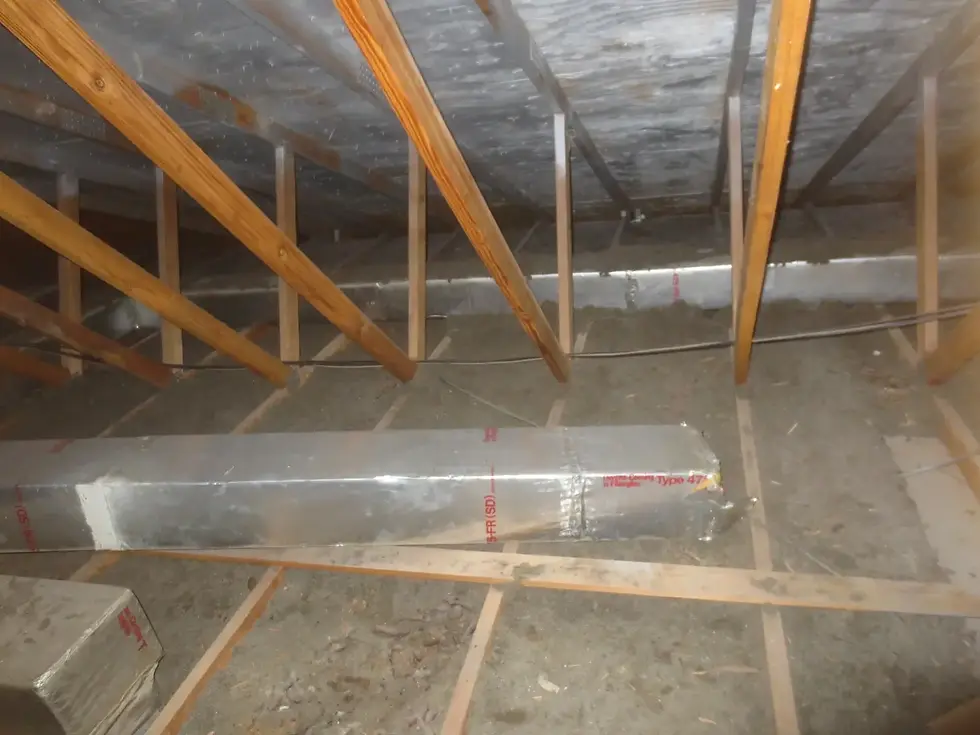
If the attic insulation is level with the 2x4 ceiling framing, the home is under-insulated by modern standards almost 100% of the time.
That’s one of the quickest visual indicators.
But insulation depth alone still doesn’t tell the whole story.
Because even a well-insulated attic can have major comfort problems if the home is leaking air.
A Real Example From My Own Home
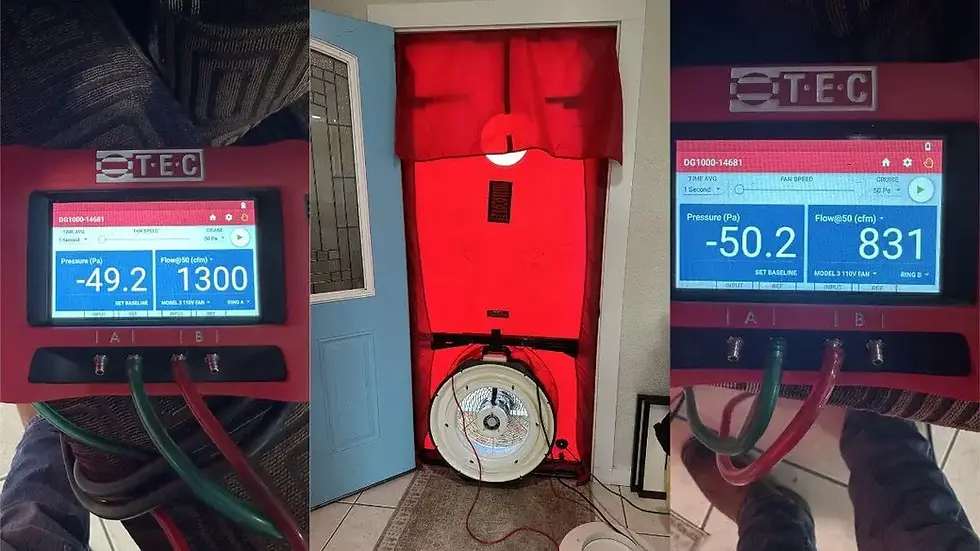
I dealt with this personally in my own house.
The upstairs was always hotter in the summer.
The downstairs was freezing during winter.
A lot of contractors would have simply recommended adding insulation.
Instead, I removed all the attic insulation and air sealed:
Wall top plates
Electrical penetrations
Plumbing penetrations
Two large duct chases running to the first floor
We performed blower door testing before and after the work.
The result:
We reduced air infiltration by 36%.
If I had only added insulation, I probably would have improved efficiency somewhat — but comfort would not have improved nearly as much.
Today, the home feels dramatically more balanced and indoor humidity stays around 50%.
That’s the difference air sealing can make.
The South Austin Humidity Problem That Wasn’t the AC
One homeowner in South Austin called us because her indoor humidity would exceed 80% on rainy days.
She assumed there was something wrong with the AC system.
Another AC company had already been there and actually recommended she call us for an energy audit.
When I inspected the home, I found a massive open attic chase hidden behind a cabinet-style door inside a walk-in closet.

Every time someone opened an exterior door, this hidden door would literally pop open and closed from pressure changes.
The house was pulling hot, humid attic air directly into the living space.
What made the situation even crazier:
An AC technician had crawled through that opening three different times earlier that same day and never recognized it as the problem.
That’s not a criticism of the technician personally — most HVAC technicians simply are not trained in building science or air infiltration diagnostics.
The homeowner had lived there for more than 20 years and thought the humidity issue was “just how the house was.”
The fix?
Weatherstrip and air seal the door.
That was it.
Signs You May Have an Air Sealing Problem
Symptoms that often point toward air leakage include:
High indoor humidity
Excessive dust
Musty smells
Rooms that feel clammy
The house smelling like the attic
Drafts
Uneven temperatures
An AC system that runs constantly
High energy bills despite a “good” AC system
This is also why many homeowners searching for high humidity problems in Austin homes are actually dealing with hidden air leakage issues.
Signs You May Have an Insulation Problem

Insulation problems usually show up as:
Significant heat gain from the ceiling
Rooms overheating during peak afternoon hours
Extremely hot attic conditions affecting comfort
Visible low insulation levels
Uneven insulation coverage
Exposed ceiling joists
And very often:
Older Austin homes built before modern energy codes.
Homes built before the mid-1990s frequently have:
Minimal insulation
Poor attic sealing
Open penetrations
Little attention to building envelope performance
Homes built after roughly 2009 tend to perform better because Austin-area codes began requiring blower door testing and tighter construction practices.
That’s when we started seeing:
Sealed plumbing penetrations
Sealed electrical penetrations
Better top plate sealing
More attention to infiltration control
Why Replacing the AC Often Doesn’t Solve the Problem
I see this all the time.
A homeowner has:
Hot rooms
High humidity
High utility bills
An AC system that runs nonstop
They assume:
“The system is old.”
So they replace the air conditioner.
Then they call us later because they still have the exact same comfort issues.
That’s because the equipment was never the root problem.
Many comfort complaints are actually caused by:
Leaky ductwork
Poor airflow
Air infiltration
Poor insulation
Pressure imbalances
That’s why we focus heavily on duct sealing in Austin, TX and duct repair & replacement before recommending major HVAC equipment changes.
My Opinion on Spray Foam in Austin Homes
This may be controversial, but I generally do not recommend spray foam in existing Austin homes.
Most homes were simply not designed for it.
I routinely see insulation contractors install spray foam in attics containing atmospheric combustion appliances like:
Gas furnaces
Gas water heaters
Those appliances are designed to breathe attic air for combustion.
When contractors encapsulate the attic with spray foam without redesigning the combustion and ventilation strategy, it can create:
Combustion air problems
Venting problems
Flame issues
Carbon monoxide risks
I also see cases where spray foam contributes to:
High humidity
Moisture problems
Biological growth
And unfortunately, improper installation is common.
In some homes, bad spray foam installation actually makes infiltration problems worse.
Spray foam can work in certain situations — especially when a home is specifically designed around it — but it is absolutely not a universal solution.
The Right Order: Air Seal, Then Ducts, Then Insulate
Everything starts with evaluation first.
Sometimes the problem is obvious.
Sometimes it isn’t.
When the cause is unclear, we may recommend:
Blower door testing
Duct blaster testing
Infrared imaging
The reason testing matters is simple:
Most homes have more than one contributing factor.
Once we identify the real issues, the order matters.
Here’s the sequence I recommend:
1. Air Seal First
Seal attic bypasses and uncontrolled leakage pathways first.
Otherwise, insulation can hide major leakage problems.
2. Seal or Repair the Duct System
Address duct leakage, airflow restrictions, or damaged ductwork next.
This is critical for comfort and humidity control.
3. Insulate Last
Insulation should be the last work anyone performs in the attic.
Once insulation is installed, it becomes harder to properly access and seal many problem areas.
Air Sealing vs Insulation: Which One Does Your Home Need?
The honest answer is:
Most Austin homes need a combination of:
Air sealing
Proper insulation
Duct system improvements
The trick is figuring out which problem is actually driving the symptoms.
That requires diagnosis — not guessing.
Because if you solve the wrong problem:
Your bills stay high
Your humidity stays high
Your rooms stay uncomfortable
And your AC keeps “running and running and running”
The good news is that many of these problems are fixable once someone identifies the real cause.


